

Protecting Your Children from Pornography: A Guide for Parents
In today’s rapidly evolving digital arena, it can be challenging for parents to stay well-informed about the latest websites, applications, and games. Sadly, minors are now able to access pornographic content with ease – whether it be by chance through pop-ups and deceptive links or through intentional searches. As parents, it is vital to guide children in comprehending the impact that pornography can have on them and their relationships. By proactively shielding our offspring from inappropriate material and educating them about its hazards, we can ensure a safer digital journey for them.
With the proper resources and support, our children can thrive and flourish online. By following a few simple tips, parents can rest assured that their kids can maximize their internet and mobile phone experience while avoiding any adult-oriented or potentially harmful material.
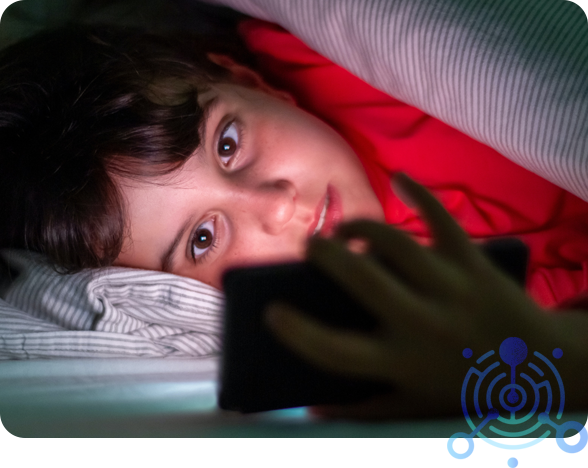
Educate Yourself
Before you can educate your children, it’s essential to educate yourself on the topic of pornography. Take some time to research the dangers and consequences of exposure to explicit content and familiarize yourself with the material readily available online. Understanding the issue will give you a better perspective on approaching the conversation with your children and what to cover.
It’s important to understand that pornography can have a damaging impact on children and teenagers, including distorted views on relationships and body image and a tendency to objectify and devalue others. Research has also shown that frequent exposure to explicit material can desensitize individuals and lead to compulsive behaviour.
- Start the Conversation Early
Don’t wait until your child is a teenager to have the conversation about pornography. Begin the conversation with your children about the perils of inappropriate content early on. Ensure that they feel comfortable coming to you with any queries or worries they may have. Empower them with the knowledge they need to navigate the digital world safely. The earlier you start the conversation, the more comfortable and open your children will be with discussing the topic.
When speaking to your children, be honest, clear and age-appropriate in your messaging. Encourage them to ask questions and provide them with honest answers. Children must understand that accessing explicit material is inappropriate and can have serious consequences.
- Set Boundaries and Restrictions
One of the best ways to protect your children from exposure to pornography is by setting boundaries and restrictions. Consider using parental controls on your home internet and on your children’s devices to block access to inappropriate websites and content. Regularly monitoring their online activity and having open communication with your children can also help minimize exposure to explicit material.
It’s important to keep in mind that while restrictions and monitoring can help, they are not foolproof. Children may still find ways to access explicit content, so it’s critical to have ongoing conversations about the dangers and consequences of such material.
- Emphasize the Importance of Making Informed Decisions
You should equip your child with the skills to navigate the digital world with confidence. Your child should be empowered to make informed decisions. Remind them that not all that glitters is gold on the internet. This can be done through fostering responsible digital citizenship by encouraging your children to question what they see, to take a step back and assess before clicking on anything potentially harmful or inappropriate. Your children should be taught that their actions online have real-life consequences.
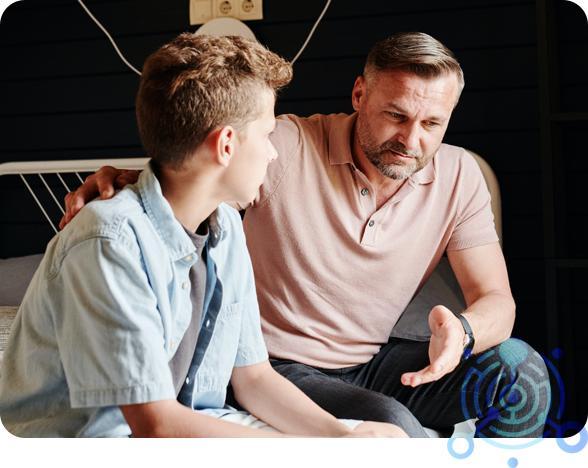
The most crucial message is this: communicate with your child frequently and openly about pornography
While it may not be easy, it’s essential to remain calm and straightforward. By avoiding showing any nervousness, you increase the chances of your child feeling comfortable talking to you about any encounters they may have had with sexual images. To make the conversation more relaxed:
- Try having it in a non-intimidating setting, such as during a car ride or while watching something together.
- Do not assume that your internet security measures will always keep them away from pornography.
- Look for teachable moments in everyday life, such as when discussing issues that come up in films, TV shows, or online.
Make sure to provide positive messages about loving and respectful sexual relationships and encourage open communication about their experiences. For younger children, deep discussions about pornography may not be appropriate, but it’s never too early to start talking about healthy relationships based on kindness and mutual care. Ensure your child knows they can come to you without fear of judgment or shock. Adopt a non-judgmental approach, acknowledging that children’s curiosity about sex is natural. Discuss the importance of consent, particularly with your children, and try to steer clear of frightening them with legal talk. Take advantage of any opportunities that arise, such as through news programs or TV shows, to highlight the potential consequences of their actions.
Remember, pornographers, are speaking to our children about what a healthy sexual relationship looks like before we are. It’s up to us to make sure that our children receive positive, age-appropriate messages and navigate the digital world safely and responsibly.