

A parents’ guide to online bullying
Bullying that takes place over the internet, also known as cyberbullying, is a growing problem that affects a significant number of children and adolescents who make use of various forms of technology and social media. One example of cyberbullying is when a person harasses, humiliates, or threatens another person by using a digital device, such as a smartphone or a computer. Bullying through text messages, social media posts, and online forums are all examples of the many forms that can be taken by bullying that occurs online. Anyone can be a victim of cyberbullying, but children and teenagers are especially at risk, so it’s important for parents and guardians to recognize the red flags and learn effective strategies for dealing with and preventing cyberbullying.

Identifying Online Bullying
Finding out whether your child is a victim of cyberbullying is the first step in both preventing and dealing with incidents of cyberbullying. There are several warning signs that you should be on the lookout for, such as alterations in your child’s behavior, mood, or habits. Your child may, for instance, become more reclusive or emotional, have trouble sleeping, or lose interest in activities that they previously found enjoyable. They might also begin to avoid using the internet and other forms of technology, or they might become more secretive about their behavior when they are online.
If your child suddenly stops using their phone or computer, or if they exhibit signs of nervousness or distress when using these devices, this is yet another red flag that they may be the target of online bullying. You may also have noticed that your child is receiving a large number of harassing or threatening messages online, or that they are being excluded from online groups or posts made on social media.

Monitoring Your Child’s Online Activity
It is essential to keep in mind that keeping tabs on your child’s online activity should be done in a manner that is considerate of their personal space and respects the boundaries of their privacy. In the event that you do discover evidence of cyberbullying, it is imperative that you approach the situation in a calm and supportive manner and refrain from becoming confrontational or accusatory in any way.
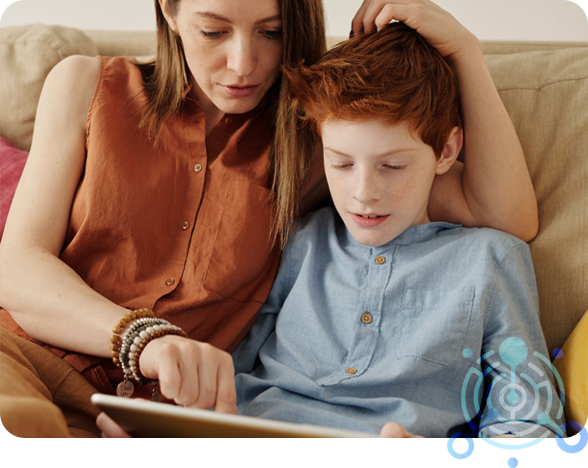
Teaching Your Child About Online Safety
The first step in protecting your child from being bullied online is making sure they are aware of how to stay safe while using the internet. This includes educating them about the risks associated with sharing personal information with unknown people online, such as their address, phone number, or financial information. You should also explain the importance of reporting any negative behaviour they encounter online and encourage them to tell you or another trusted adult if they are being bullied. In addition, you should explain the importance of reporting any negative behaviour they encounter offline.
Teaching your child how to be a responsible digital citizen is another thing that is absolutely necessary to do. This includes demonstrating to them how to respect others online, how to deal with negative comments, and how to use technology in a way that is both safe and responsible. You will be able to help your child feel more confident and in control when using the internet and technology if you teach them these skills and pass them down to them.

Encouraging Open Communication
The most important thing you can do to protect your child from being bullied online is to encourage open communication between the two of you. It is of the utmost importance to provide a secure and encouraging setting for open communication between you and your child regarding his or her activities on the internet. Let them know that it is okay to share their feelings and concerns with you and that you are there to support them. Also let them know that you are there to support them.
It is imperative that you pay attention to your child and offer them emotional support if they are experiencing online bullying. You can also provide them with useful advice, such as how to block the bully or report them to the appropriate authorities. You can help your child feel more confident and empowered when confronted with online bullying by listening to what they have to say in an empathic and supportive manner.
Taking Action
It is imperative that you take appropriate action if you have reason to believe that your child is being bullied online. This can be done by keeping a record of the incidents and reporting them to the social media platform or website where the bullying is taking place. You should also think about contacting law enforcement if the bullying constitutes a criminal act, such as cyberstalking, cyber harassment, or cyberthreats. In these cases, bullying can be considered a form of online harassment.
It is important to talk to your child about what has happened and provide them with support and direction in addition to reporting the incident. It is also important to ensure that your child understands what has happened. Teaching your child how to respond to online bullying, such as ignoring the person who is bullying them or using social media tools to block or report the person, can assist you in assisting your child in feeling more empowered. You can do this by teaching your child how to respond to online bullying.


Conclusion
The proliferation of cyberbullying should be a source of concern for parents and guardians today. But with the right preparation and a proactive mindset, we can be our children’s greatest allies in the digital world. It is possible for us to equip our children to navigate the online world with self-assurance and freedom from the fear of being abused if we educate them about online safety, encourage open communication, and take prompt action when it is required. As our child navigates the online world, let’s be a presence for them that is encouraging and understanding, so that we can assist them in overcoming any challenges and savoring a pleasant and safe time online.