

What are the potential risks of online dating?
Nowadays, kids and teenagers use the internet to make friends, find romance, or even do business or learn new things. There are lots of online games, social media, and video websites that make this really easy. However, it’s important for parents and guardians to recognize that these relationships can also come with risks, such as cyberbullying, exposure to explicit content, and even the potential for sexual predators to target vulnerable youth. For that reason, it’s crucial to talk to children and teens about safe internet practices and monitor their online activity to help ensure their safety and wellbeing.

Here are some potential risks of online dating:
Fraud: Online dating sites can be a breeding ground for scammers looking to defraud users of their money. These individuals may create fake profiles and develop relationships with unsuspecting users before asking for money or other personal information.
Exposure to explicit content: Online dating sites often have explicit content, including suggestive images and language that can be unsuitable for minors. Make sure to discuss the dangers of accessing and sharing such content.
Identity theft: Online dating sites require users to provide personal information, which can put them at risk of identity theft. It’s important to teach your children how to protect their personal information and to monitor their online activity to ensure they’re not sharing any sensitive information.
Catfishing: This is when someone creates a fake online profile to deceive others. They may use fake photos or lie about their age, occupation, or interests. This can lead to disappointment or even danger when users realize they’ve been deceived.
Sexual harassment: Online dating sites can provide a platform for sexual predators to harass and victimize others. Users should be cautious about sharing personal information and meeting with strangers.
Stalking: People with harmful intentions can use online dating to stalk and harass others. This can be particularly dangerous for women and other vulnerable populations.
Emotional distress: Online dating can be emotionally taxing, particularly for those who invest a lot of time and energy into developing relationships that don’t work out. Users may also experience rejection, disappointment, or other negative emotions.
Cyberbullying: Online dating can also expose children to cyberbullying. Individuals who are rejected or who feel slighted may lash out and harass others, leading to potentially harmful interactions for your children.
Predators: Online dating sites can be a hunting ground for sexual predators looking to exploit vulnerable individuals, including minors. It’s crucial to ensure that your children understand the importance of never sharing personal information or meeting with anyone they have met online without your supervision.

What age is the most vulnerable to online relationships?
Children and teenagers are generally the most vulnerable to online relationships. They may lack the life experience and judgment necessary to navigate the risks associated with forming connections with people they meet on the internet. What is more, young people may be more likely to be targeted by online predators who seek to take advantage of their vulnerability and naivety.
While there is no specific age that is most vulnerable to online relationships, it’s important for parents and guardians to monitor their children’s online activity and provide guidance on safe internet practices, regardless of their age. As a general rule, children under the age of 13 should be closely supervised when using the internet and parents should consider using parental controls and other tools to help protect their children’s safety online.

How does it happen?
Online relationships can happen in various ways. Children and teenagers might join online communities or social media platforms where they can chat and connect with others who share similar interests or values. They can create profiles and interact with other users without any supervision, which can make them vulnerable to online predators who seek to take advantage of their naivety and trust.
Sometimes, these online relationships can develop into friendships, romantic connections, or even business opportunities. However, it’s important to note that not everyone online is who they claim to be. Some people might use fake profiles to deceive others, while others might pretend to be someone they’re not to manipulate and exploit their targets.
For instance, a person might start chatting with a child or teenager and use flattery or gifts to gain their trust. Over time, they might make promises of love or affection, which can lead to more serious forms of exploitation or abuse. It’s crucial for parents to talk to their children about online safety and to monitor their online activity to ensure they’re not putting themselves at risk.
Parents should teach their children to be cautious about sharing personal information and to report any suspicious behavior to an adult. They can also use parental controls and other tools to help protect their children’s safety online.
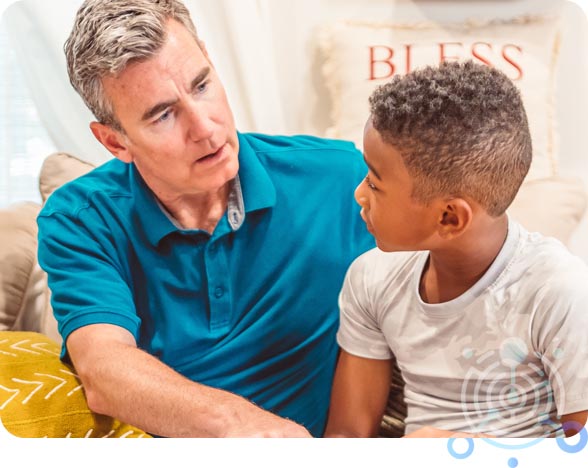
If I am concerned that my child may be starting relationships online, what are the steps I should take?
Talk to your child: One of the most important things you can do as a parent is to have regular, open conversations with your child about their online activity. By talking to your child about what they see and do online, you can help them understand how to use the internet safely and responsibly. Ask them about the types of websites and apps they use, who they interact with, and what they share online.
Be supportive: Let your child know that you’re there to support them and that you are not there to judge or punish them. Encourage them to be honest with you and to tell you if they feel uncomfortable or threatened by anyone online.
Report inappropriate content: It’s also important to teach your child how to report inappropriate content or behavior online. Many platforms have reporting features that allow users to report abusive or harmful content, and it’s important that your child knows how to use these tools.
Use privacy and security settings: Online privacy and security are important factors to consider when using apps, sites, and games. Many of these platforms offer privacy and security settings that allow you to control the content that can be seen by others. You can use these settings to manage your child’s online activity and ensure they are not exposed to inappropriate content.
Monitor their online activity: Keep a close eye on your child’s online activity and check their online profiles and social media accounts to see who they’re interacting with and what they are sharing.
Use parental controls: Parental controls and filters are also effective tools that can help you manage your child’s online activities. These tools allow you to set limits on what your child can access online and block certain types of content that may not be suitable for them.
Educate yourself: Stay informed about the latest trends and risks associated with online relationships, and educate yourself on the tools and resources available to help protect your child’s safety online.